

Sustainable Home Decor for Conscious Buyers
Last Updated: November 12, 2026
Quick Summary
The best sustainable home decor for conscious buyers starts with what you already own: reupholster worn chairs, rotate art between rooms, and repair loose joints to keep furniture out of landfill. When buying, judge sustainable furniture by construction and durability rather than labels, and choose secondhand pieces from ethical home decor brands.
- Reupholstering a worn chair and repairing loose joints costs far less than new production.
- Judge sustainable furniture by joinery, solid timber, and a finish you can repair.
- Furniture that lasts decades beats any recycled-content claim on a short-lived item.
- Secondhand home decor is the simplest route to ethical home decor brands without new-production prices.
- At Somerset General, new inventory is added daily, including one-of-a-kind vintage finds.
Table of Contents
- Eco-Friendly Home Decor Ideas That Start With What Already Exists
- Sustainable Furniture Materials and How to Judge Them
- Secondhand Home Decor and Ethical Home Decor Brands
- Frequently Asked Questions
Eco-Friendly Home Decor Ideas That Start With What Already Exists
The best sustainable home decor for conscious buyers is the sustainable home decor already in your home. Before browsing ethical home decor brands or hunting for sustainable furniture materials, take stock of what you own. Reupholstering a worn chair, rotating art between rooms, and repairing loose joints keeps furniture out of landfill and costs far less than new production. Research indexed by PubMed Central on green perceived value and green trust in eco-friendly products suggests conscious buyers weigh trust and perceived value heavily before purchasing, and nothing builds that trust faster than loving what you already have. If you live small, this guide on which vintage decor pieces work in a small apartment shows how to make existing pieces fit.
Sustainable Furniture Materials and How to Judge Them
Solid wood, reclaimed wood, and natural fibers are the sustainable furniture materials worth paying for. Judge them by construction, not labels: check for joinery over staples, solid timber over veneer, and a finish you can repair rather than replace. A solid pine piece like our Solid Pine Waterfall Side Table shows what honest material looks like, with visible age-appropriate wear to the wood. Durability is the real test. Furniture that lasts decades beats any recycled-content claim on a short-lived item.
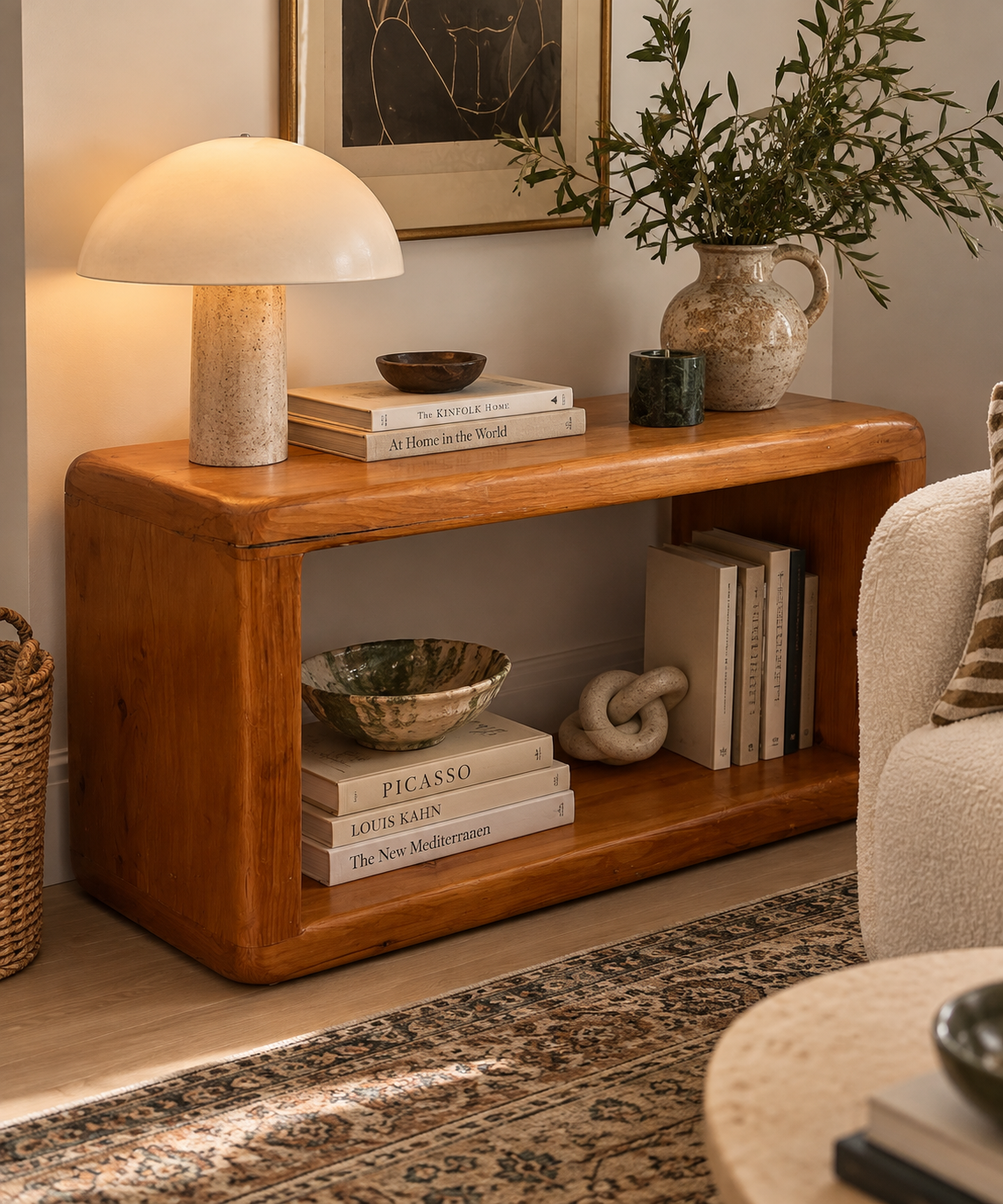
Judge sustainable furniture by construction and durability rather than by labels.
| What to check | Prefer | Avoid |
|---|---|---|
| Joinery | Joinery | Staples |
| Material | Solid timber | Veneer |
| Finish | A finish you can repair | A finish you must replace |
| Durability | Furniture that lasts decades | Short-lived items with recycled-content claims |
Secondhand Home Decor and Ethical Home Decor Brands
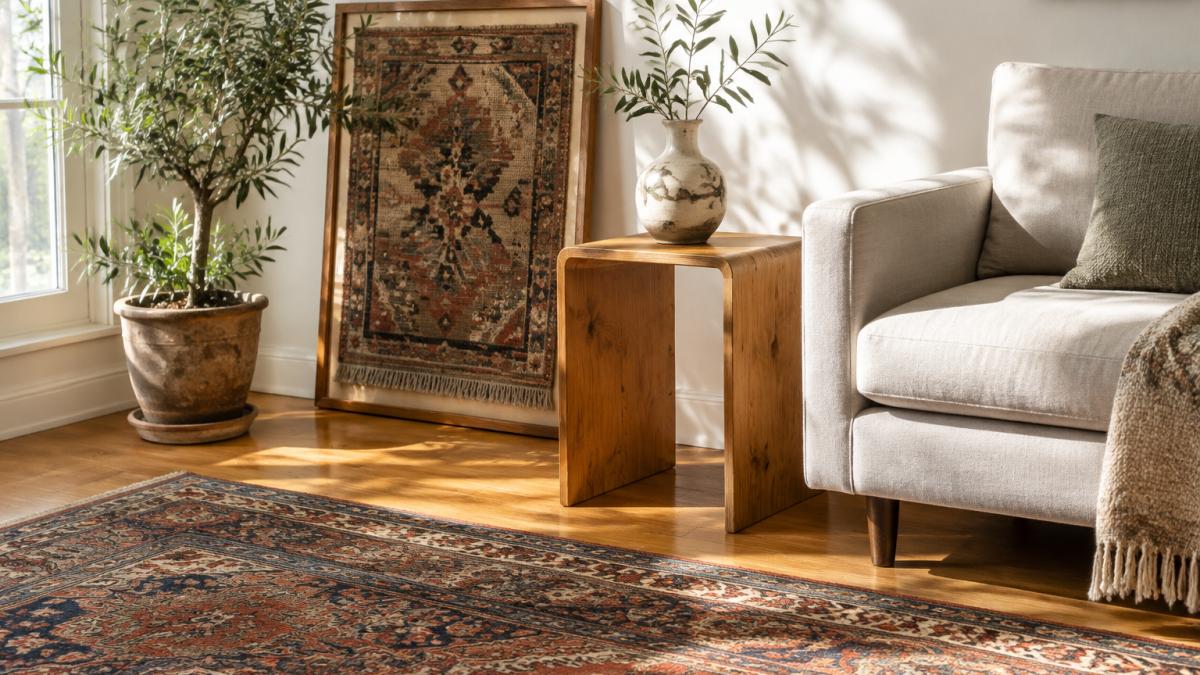
Secondhand home decor is the simplest route to ethical home decor brands without paying new-production prices. Vintage and artisan-made goods carry history and can be kept in use for many years. At Somerset General, we curate one-of-a-kind finds with new inventory added daily, including a hand-knotted Persian rug and an antique French framed jacquard tapestry. A vintage waterfall armoire anchors a room the way flat-pack never will. Conscious consumerism starts here: buy once, buy well, pass it along.
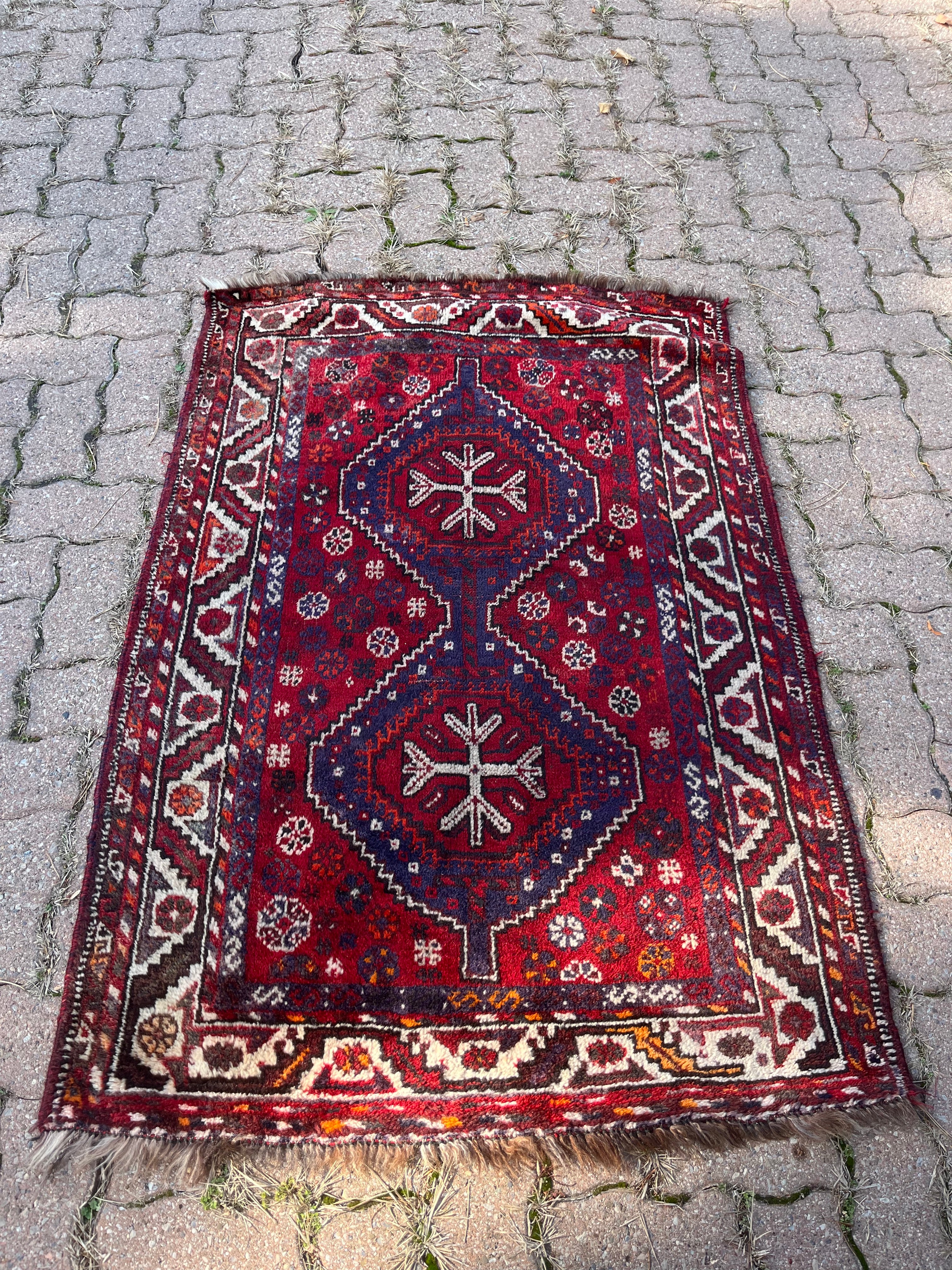
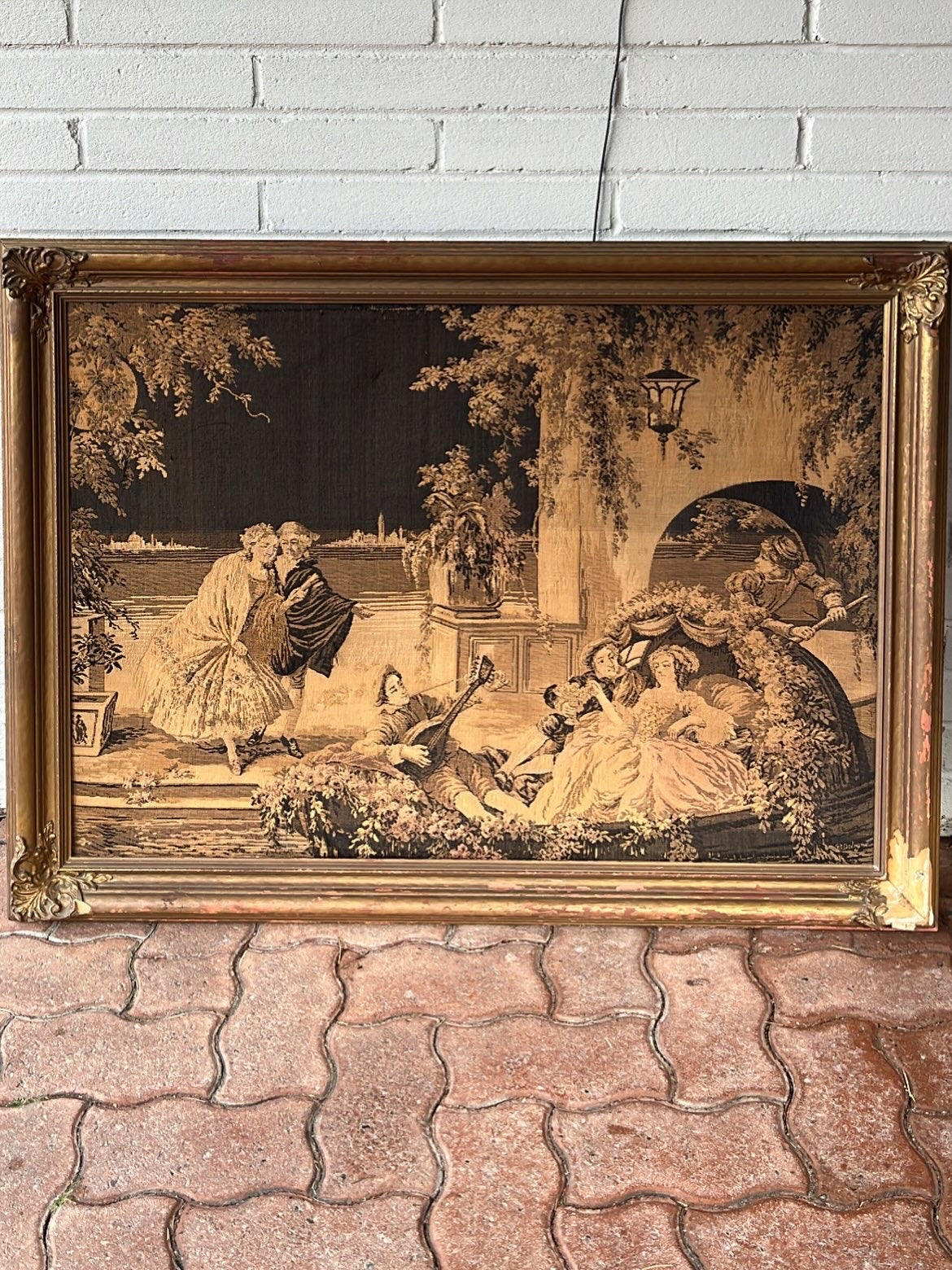
Building a home that reflects your values takes patience and a good eye. Somerset General helps with a curated collection of vintage home decor, furniture, and accessories, one-of-a-kind finds, and new inventory added daily. Get started with Somerset General and furnish your space with pieces worth cherishing.
Frequently Asked Questions
What makes home decor sustainable?
Sustainable home decor keeps materials in use for as long as possible. That means durable construction, responsibly sourced or reclaimed materials, and a lifespan measured in decades rather than seasons. Buying vintage or secondhand skips new manufacturing entirely, which is why a solid pine table or a hand-knotted wool rug already in circulation carries a lower footprint than a new mass-produced equivalent. Look for quality craftsmanship, repairability, and a style that will not date quickly. The longer a piece stays in your home, the more its initial impact is spread out.
Is vintage home decor more sustainable than buying new?
In most cases, yes. A vintage piece has already absorbed its manufacturing impact, so bringing it into your home adds no new production emissions or material extraction. It also keeps usable furniture out of landfill. The trade-off is condition: check for structural soundness, stable joints, and any repairs you would need to make. A well-built vintage table or rug that lasts another twenty years beats a new item that needs replacing in three. That said, vintage only wins if you actually keep and care for it.
How can I tell if home decor is ethically made?
Ask for specifics rather than accepting a label. Ethical production usually means named materials, traceable sourcing, fair labor practices, and transparent manufacturing. For vintage and secondhand goods, the ethics question shifts to condition disclosure and honest descriptions. Request clear photos of wear, measurements, and any flaws before buying. A seller who documents age-appropriate wear and answers questions directly is a better signal than a vague sustainability badge. When in doubt, ask where the piece came from and how it was made.
