

Why Curated Vintage Items Cost More: A Fair Price Guide
Last Updated: October 23, 2026
Quick Summary
Curated vintage costs more because a seller spends hours sourcing, cleaning, repairing, and researching each hand-picked piece, so you pay for saved time and a shorter path to something good. Every curated price also covers travel, storage, and risk on pieces that never sell.
- Thrifting means digging through racks and bins yourself, and low prices reflect that you do the work.
- Rarity pushes prices up because a single piece cannot be restocked.
- A fair price reflects condition, rarity, and the work behind it.
- Check whether the listing states a verified age, describes flaws, names the maker, and spells out returns.
- To authenticate a piece, look for era-correct hardware, stitching, and labels, and ask for extra photos.
Table of Contents
- Curated Vintage vs Thrifting: What the Price Difference Buys
- The Real Costs Behind a Curated Vintage Price Tag
- How to Price Vintage Items and Judge a Fair Price
- Frequently Asked Questions
Curated Vintage vs Thrifting: What the Price Difference Buys
Curated vintage is a hand-picked selection of secondhand pieces a seller has sourced, cleaned, researched, and prepared for sale. At Somerset General, we often hear why a curated piece costs more than a lucky thrift-store find: time, labor, and selection.
Thrifting means digging through racks and bins yourself, and low prices reflect that you do the work. Curated vintage flips that: a seller spends hours sourcing, then cleans, repairs, and checks each item, so you pay for saved time and a shorter path to something good.
The Real Costs Behind a Curated Vintage Price Tag
Every curated price covers more than the item: sourcing time at estate sales and auctions, travel and hauling, cleaning and repair, research into age and maker, and storage and risk on pieces that never sell.
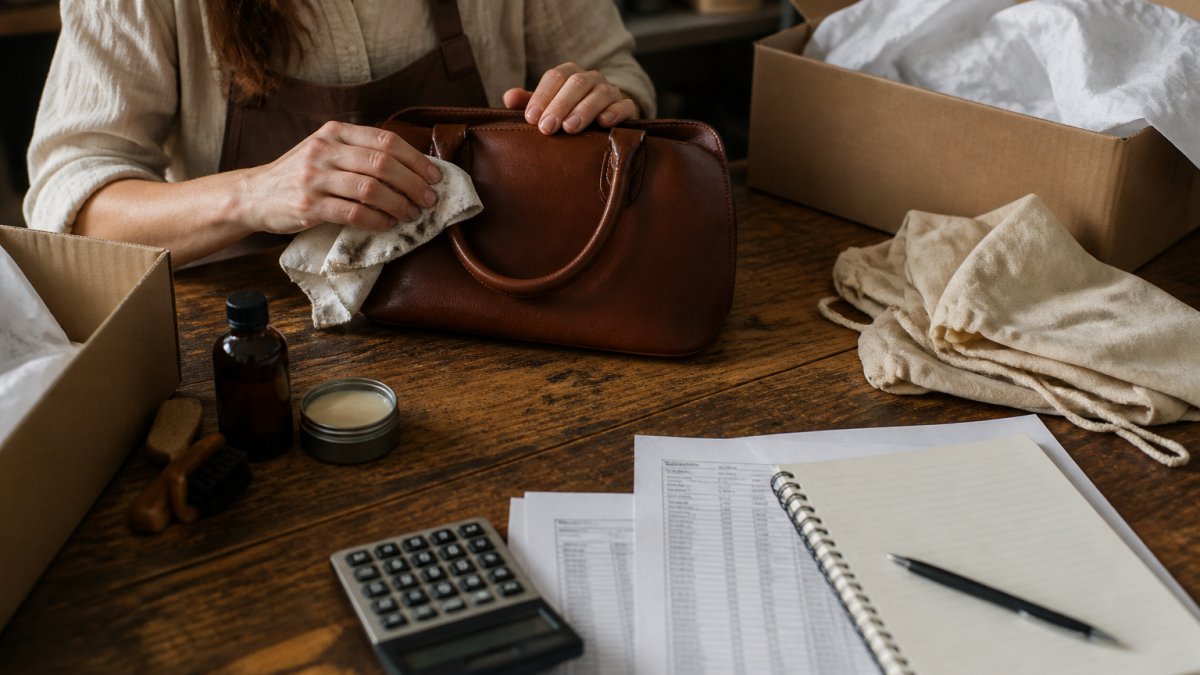
Comparing a curated price to a thrift sticker is a mistake: those numbers measure different things, and one includes labor you never see. Rarity adds to this, since limited supply and collectibility push prices up because a single piece cannot be restocked.
Gianni Versace 1990s Medusa Croc-Embossed Leather Top Handle Bag →
How to Price Vintage Items and Judge a Fair Price
A fair price reflects condition, rarity, and the work behind it. Check whether the listing states a verified age or era, describes and photographs flaws, names the maker, explains cleaning or repairs, spells out returns, and matches sold prices rather than asking prices.
If a seller answers all six, the premium is usually earned; if they dodge questions about authenticity or condition, walk away. To authenticate a piece, look for era-correct hardware, stitching, and labels, and ask for extra photos, reproductions miss small details, and honest sellers welcome questions. Buying online adds a step: confirm color and scale against a real reference, and check the return policy before you pay.
Curated vintage costs more because someone did the searching, cleaning, and checking for you. When the answers are transparent, the price is fair; when they are not, keep looking.
Frequently Asked Questions
Why do curated vintage shops charge more than thrift stores?
The gap comes down to labor and risk. A thrift store sells donated stock as-is, with no one checking seams, polishing hardware, or photographing flaws. A curated vintage shop pays for sourcing trips, cleaning, repairs, and detailed listings, then stands behind the item if it arrives wrong. That work is baked into the price. You are paying for a piece that is ready to use and accurately described, not a lottery ticket that may need a $200 repair.
How can I tell if a vintage item is fairly priced?
Compare like with like. Check sold listings for the same maker, era, and condition, not asking prices on unrelated platforms. Add up visible costs: cleaning, repairs, shipping, and the seller's return policy. A higher sticker price with a clear condition report and returns is often cheaper than a bargain that arrives damaged. Ask for close-up photos of wear points, labels, and hardware before you commit.
What should I check before buying vintage items online?
Ask for dated photos of the actual item, not stock images. Confirm the measurements, the condition grade, and what the return policy covers. Look for details that prove age: label style, stitching, hardware markings, and wear patterns. A seller who answers these questions with specifics is usually the one worth buying from. If the listing is vague about flaws or provenance, treat that as a red flag and keep looking.
